

Today, the NASA Office of Inspector General (OIG) released its 2026 Top Management and Performance Challenges Report outlining five critical challenges facing the Agency. These challenges, in turn, will underpin the OIG’s oversight work for the year ahead.
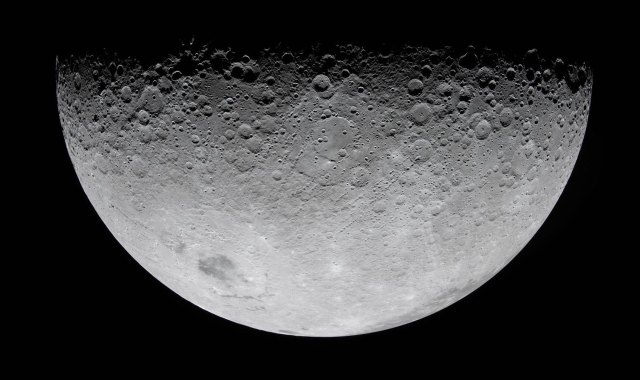
- Establishing a Human Presence on the Moon
To advance its Ignition initiatives and establish an enduring lunar presence, NASA is working to overcome the complex technical challenges associated with the Artemis human landing systems and next-generation spacesuits. The Agency must also closely monitor its acquisition strategy for lunar delivery services to develop a permanent Moon Base and meet demanding mission timelines. - Managing a Robust U.S. Presence in Low Earth Orbit
To prepare for the International Space Station’s retirement, NASA is working to maintain safe operations while partnering with industry to develop future low Earth orbit destinations. This transition will require adequate oversight, significant financial investment, and reliable crew and cargo transport capabilities. - Improving Management of Major Programs and Projects
To ensure the success of major programs and projects, NASA must commit to realistic schedules, adequate budget resources, and transparent reporting. The Agency’s shift toward more service-based commercial acquisitions offers potential benefits but also demands heightened oversight to control costs and mitigate risks. - Managing Cybersecurity Risks and Emerging Technology
To defend against evolving cybersecurity threats and protect sensitive data, NASA is working to address its decentralized approach to information technology management and keep pace with emerging digital advancements. To preserve national security, the Agency must also ensure grantees and contractors comply with strict security standards to safeguard intellectual property. - Sustaining Mission Critical Capabilities and Support Services
To maintain America’s preeminence in space, NASA must fortify its mission critical capabilities by modernizing aging infrastructure and sustaining a highly technical workforce. Simultaneously, the Agency must ensure rigorous oversight of the commercial partners, contractors, and grantees that provide essential support services.
Addressing these five challenges will be key as NASA tackles its boldest missions yet. The OIG remains committed to helping the Agency reach these goals safely, efficiently, and cost-effectively.