

NASA
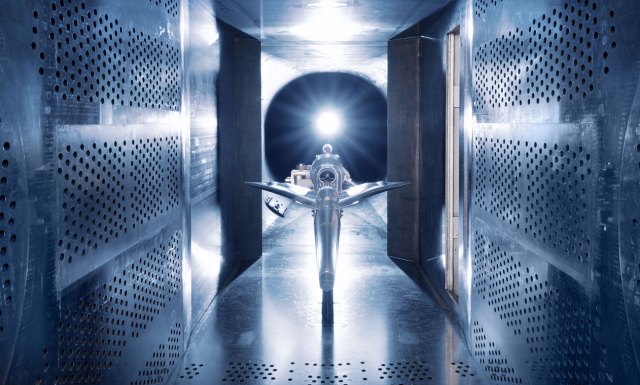
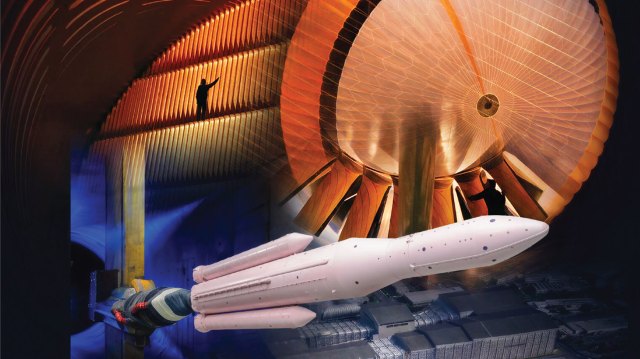
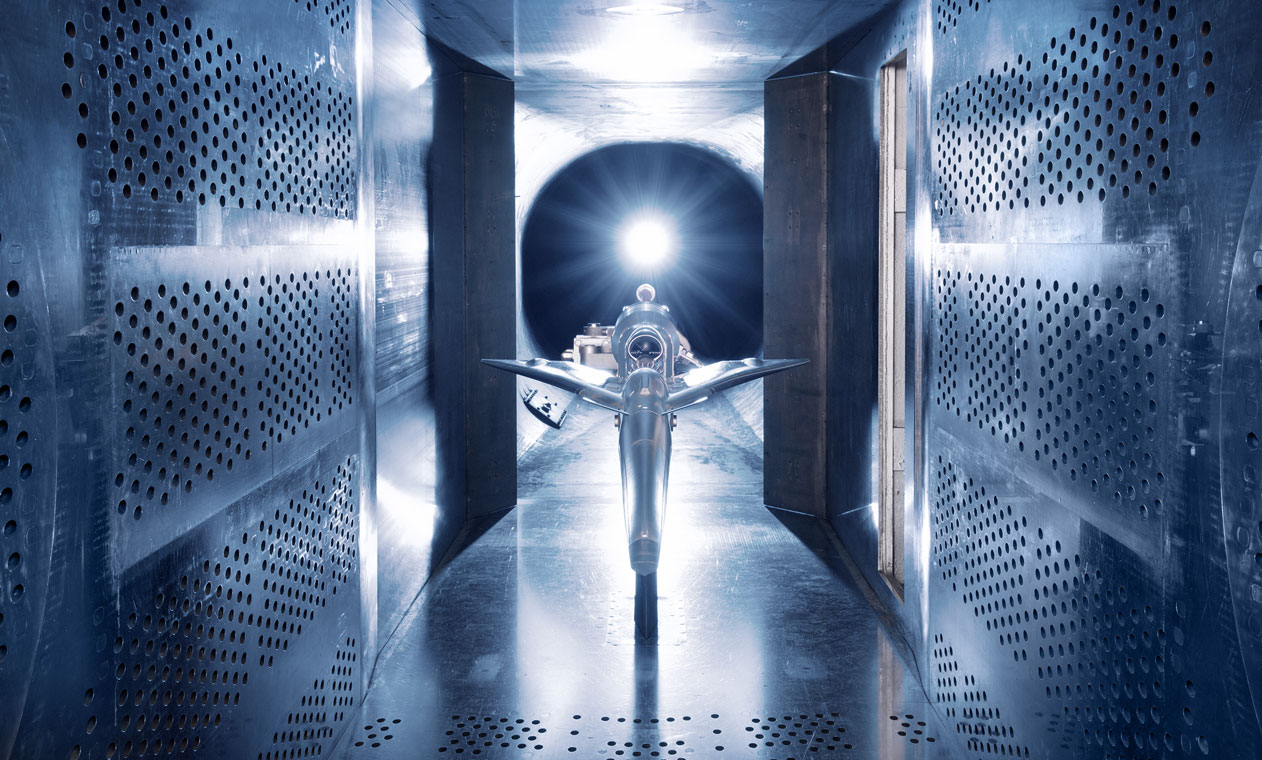
Wind tunnels put NASA’s bold designs to the test before they ever take flight. From Mach-speed jets to deep space capsules, the Agency’s iconic aircraft and spacecraft must first survive a grueling gauntlet of extremes: wind blasts reaching hypersonic velocities, scorching heat, atmospheric icing, and more. Today, the Office of Inspector General (OIG) released a report examining how the Aerosciences Evaluation and Test Capabilities (AETC) Portfolio Office is managing the Agency’s world-class wind tunnel facilities, workforce, funding, and alternative testing methods.
Although several of NASA’s 12 major (Tier 1) facilities are over 70 years old, the OIG found that AETC has generally improved wind tunnel performance and condition by centralizing funding and implementing data-driven management. However, rising operation and maintenance costs are outpacing AETC’s flat budget, which has remained at $117 million for the last 6 years. As a result, the auditors found that NASA’s ability to effectively manage this portfolio of critical assets remains limited.
Additionally, AETC has experienced workforce attrition that has escalated in recent years and reduced institutional knowledge. To compensate for coverage gaps, AETC plans to train personnel to operate multiple tunnels, rather than staffing specific facilities with dedicated teams. The OIG believes this approach is positive but will be insufficient to mitigate workforce risks in the long-term.
The OIG also found that deferred preventive maintenance was not consistently recorded or communicated. Some facility managers were unaware of their responsibility to monitor this upkeep. Moreover, AETC’s system for tracking the overall maintenance risk was often underutilized for deferred preventive maintenance issues despite the possible impacts. The auditors observed instances where deferred preventive maintenance risks led to equipment failures. For example, in July 2024, Langley Research Center’s 4-Foot Unitary Plan Wind Tunnel became inoperable after the main motor drive overheated due to a combination of missed maintenance, cost workarounds, and improper preventive procedures.
Lastly, the OIG examined the Tier 2 ground test facilities, which are outside AETC’s portfolio but often share the same physical infrastructure and personnel talent pool. Although AETC provides no direct funding to Tier 2 facilities, much of this infrastructure faces the same challenges as Tier 1 facilities—including staff shortages and maintenance problems. However, unlike Tier 1 facilities, Tier 2 facilities do not benefit from an efficient funding structure that emphasizes availability for testing and research.
The OIG made five recommendations to help AETC better manage its portfolio of critical wind tunnel facilities. As NASA develops a new generation of X-planes and pushes the boundaries of deep space exploration, ensuring the reliability of these foundational testing tools is more important than ever.